

Traditionally, Kaavi art is created by etching through layers of lime plaster to expose the contrasting colour beneath. The design emerges through subtraction rather than addition. Drawing from this concept, the collection translates Kaavi’s core construction logic into fashion through the use of Cathedral Window Patchwork, a textile technique that reveals patterns by folding, layering, and exposing fabric beneath the surface.Rather than applying Kaavi motifs as prints or embellishments, the collection explores the craft as a structural process. Geometric forms, pointed lotus-inspired shapes, diamonds, and architectural patterns emerge through fabric manipulation, creating garments that embody the same principles found in traditional Kaavi murals. The silhouettes are structured and contemporary, emphasising layers, depth, and revealed surfaces that mirror the visual rhythm of the original craft.
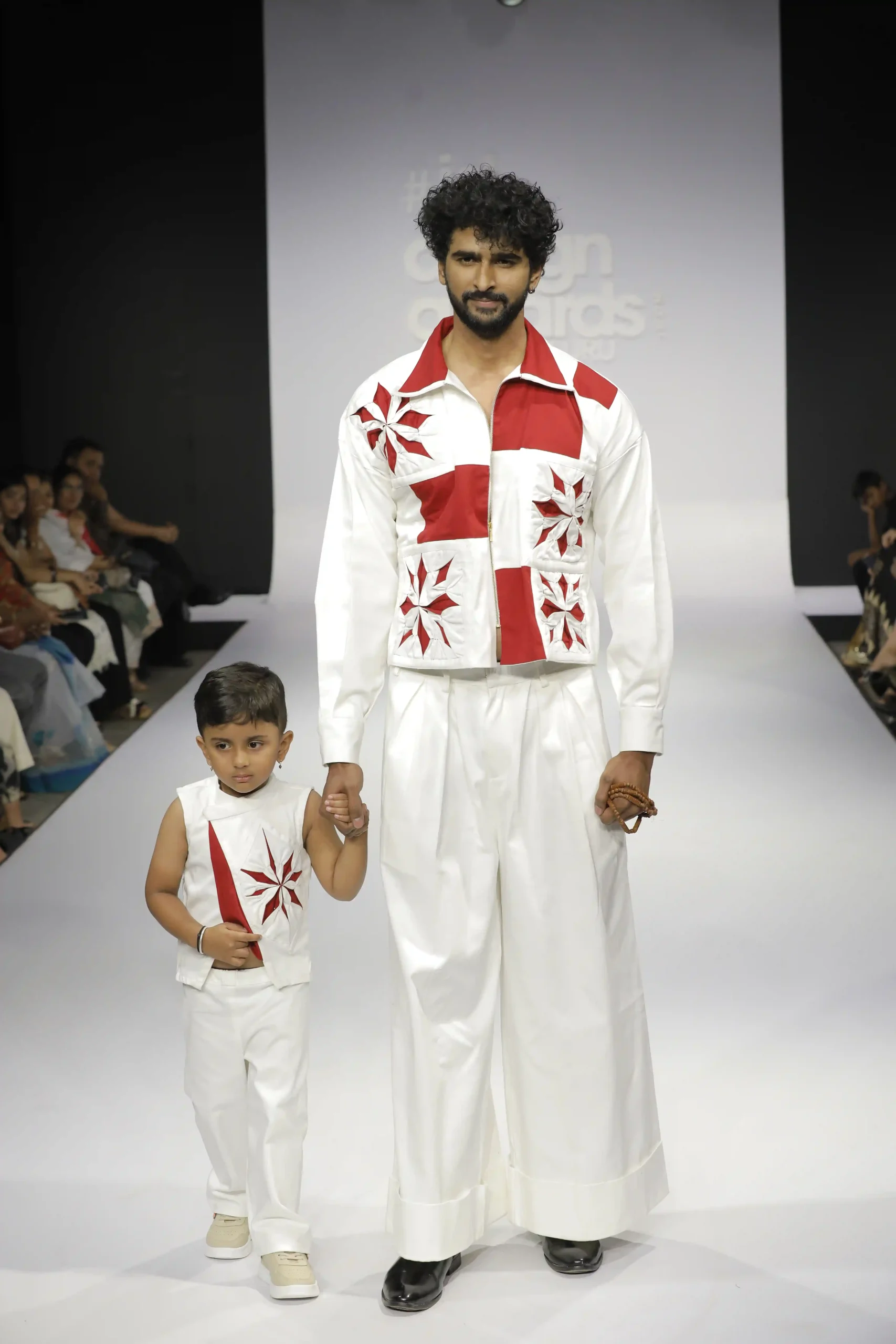
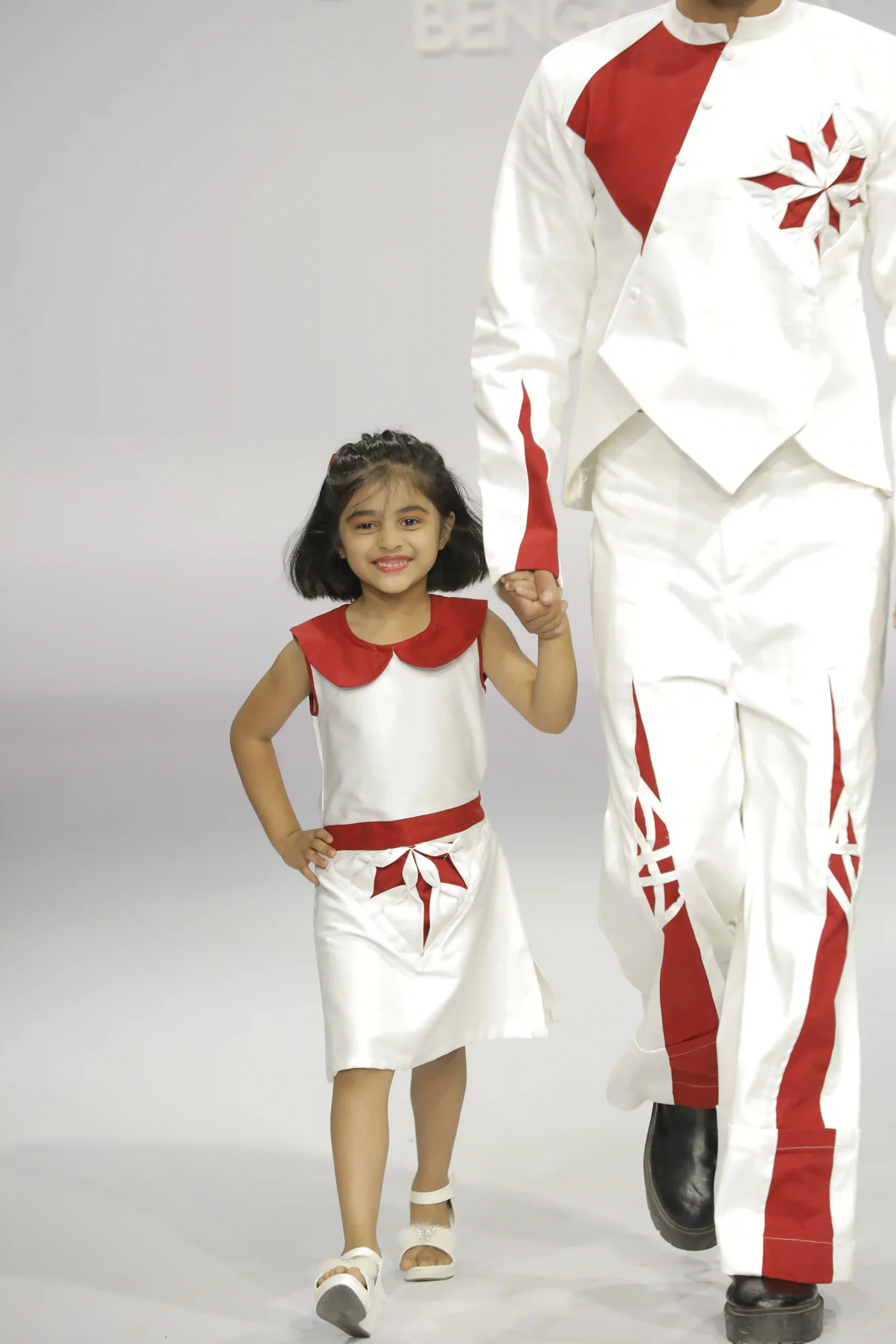
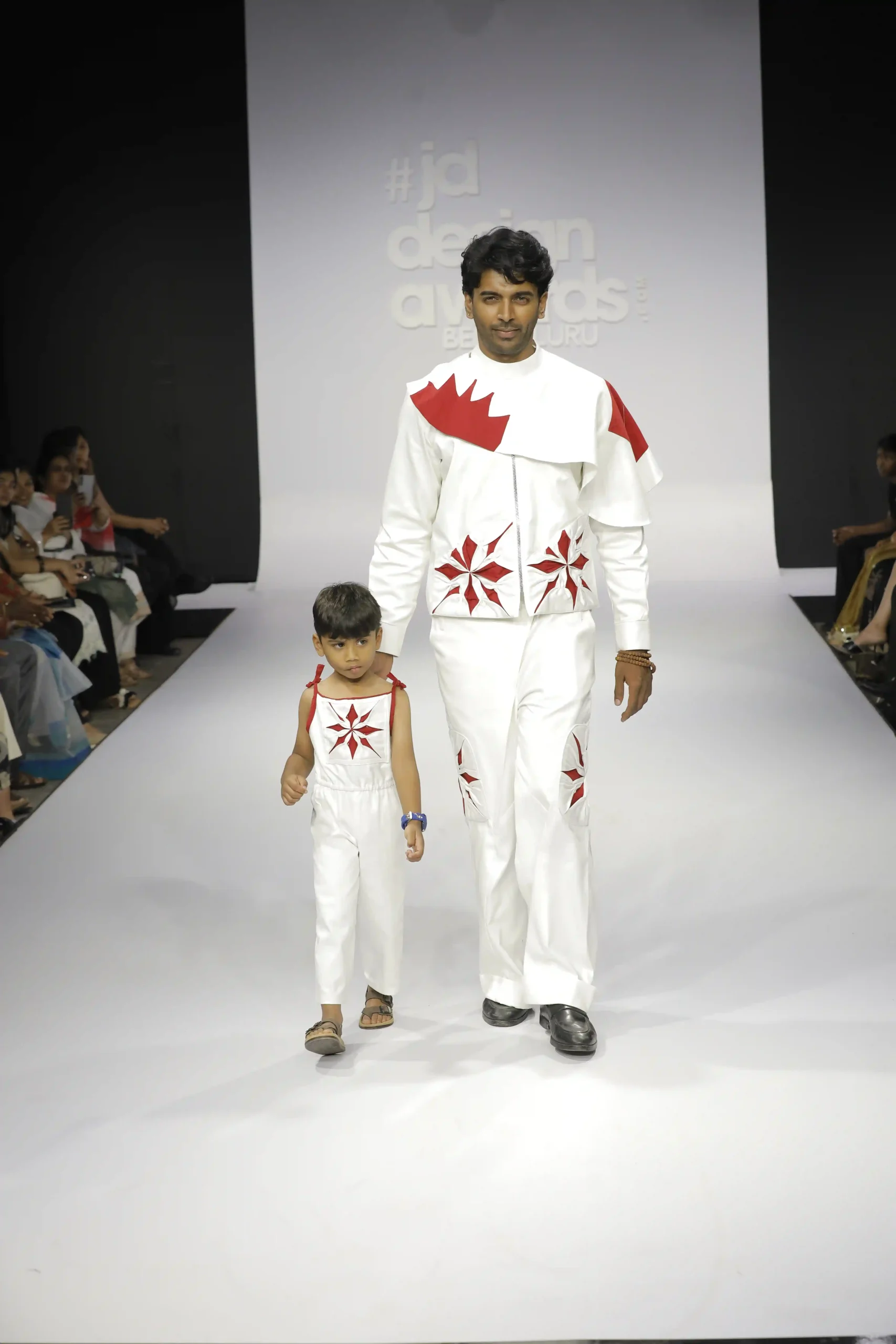
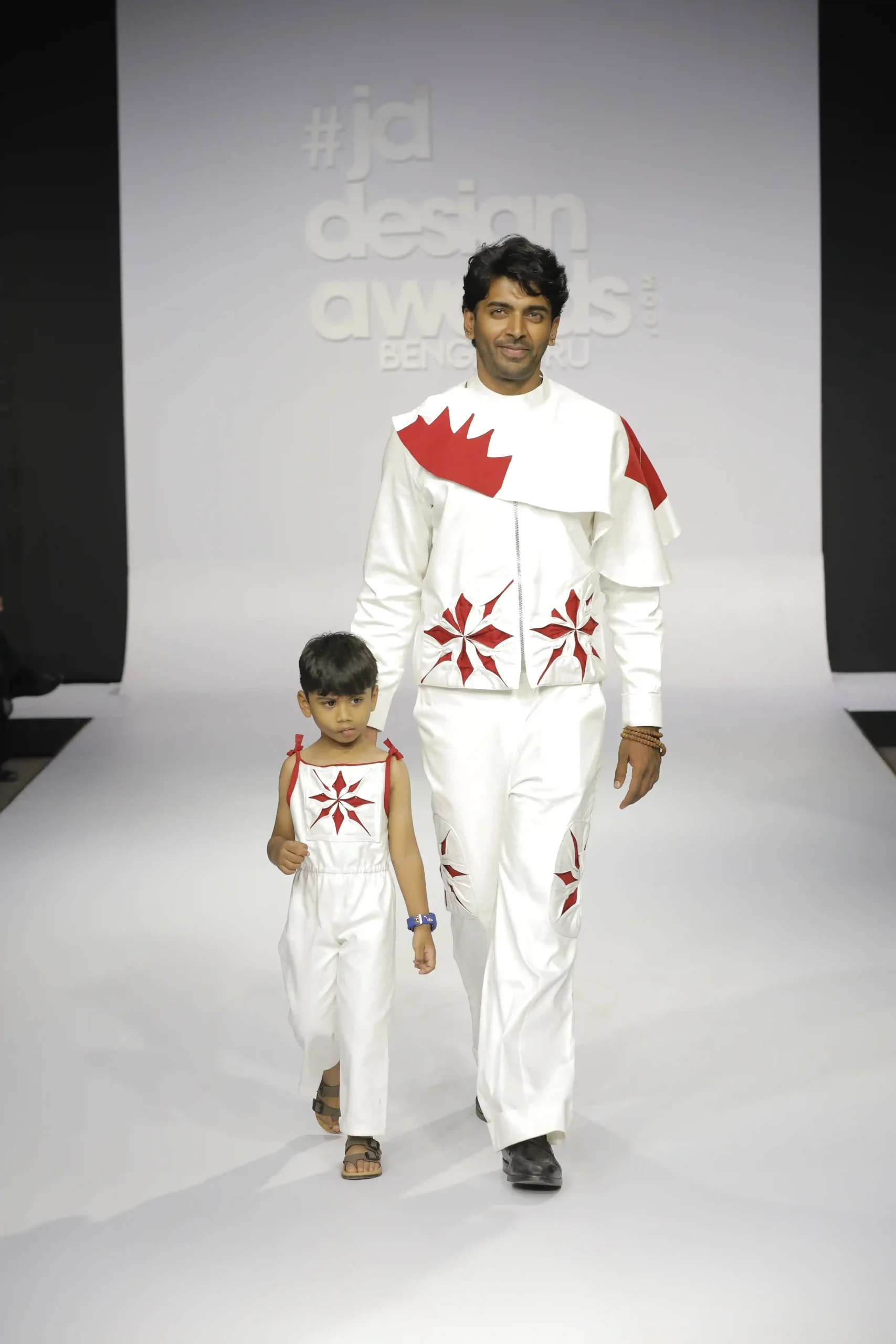

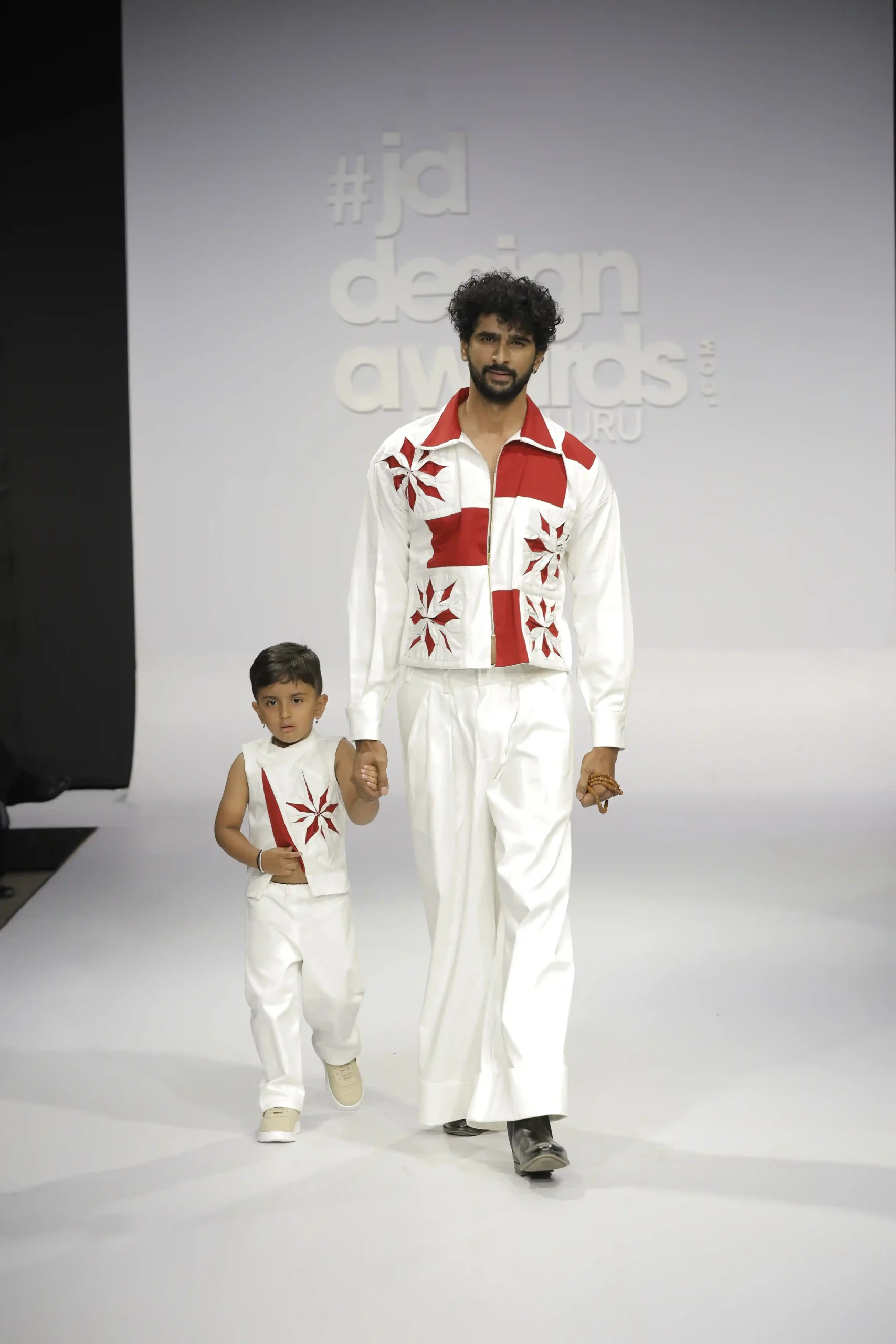
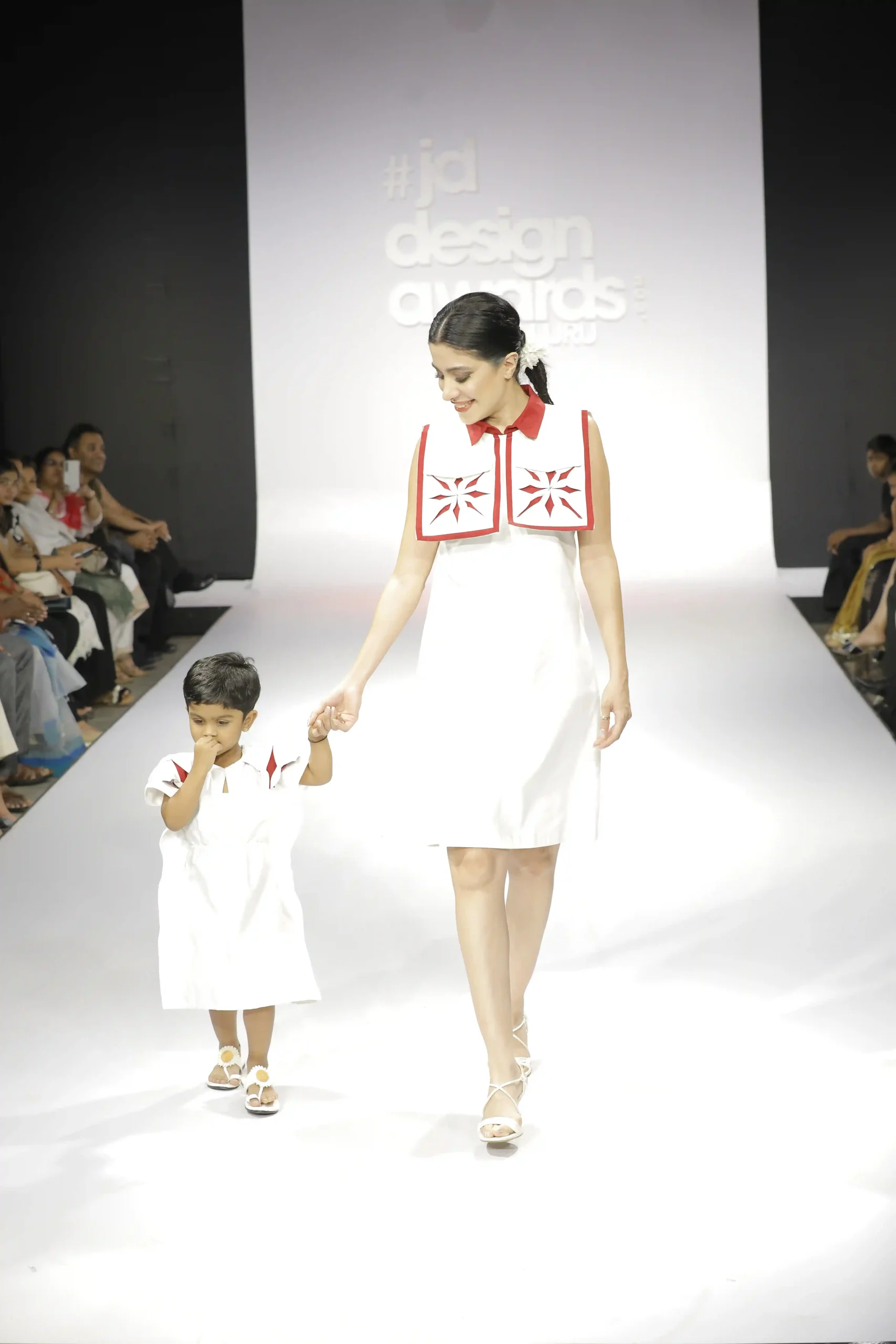
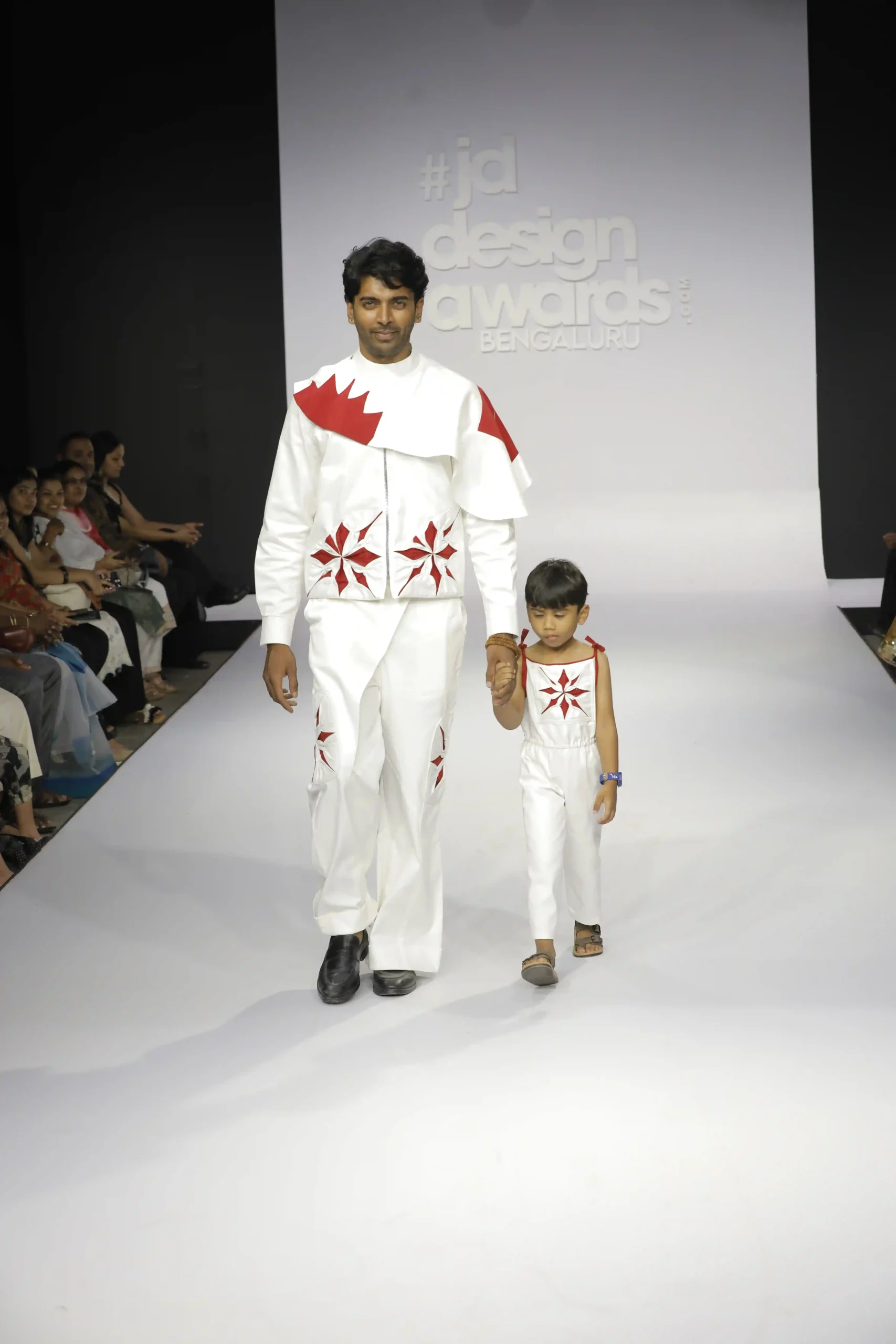
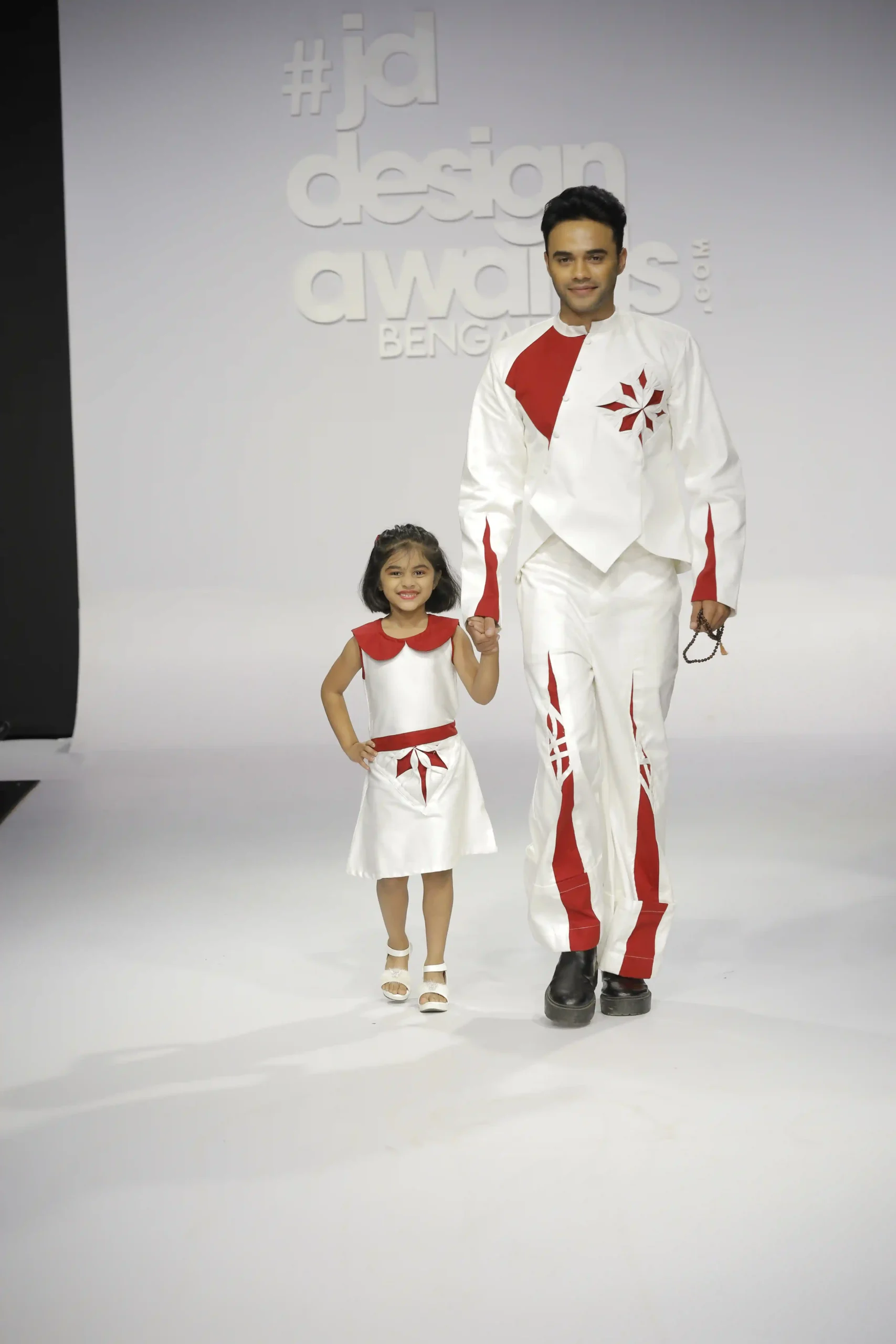
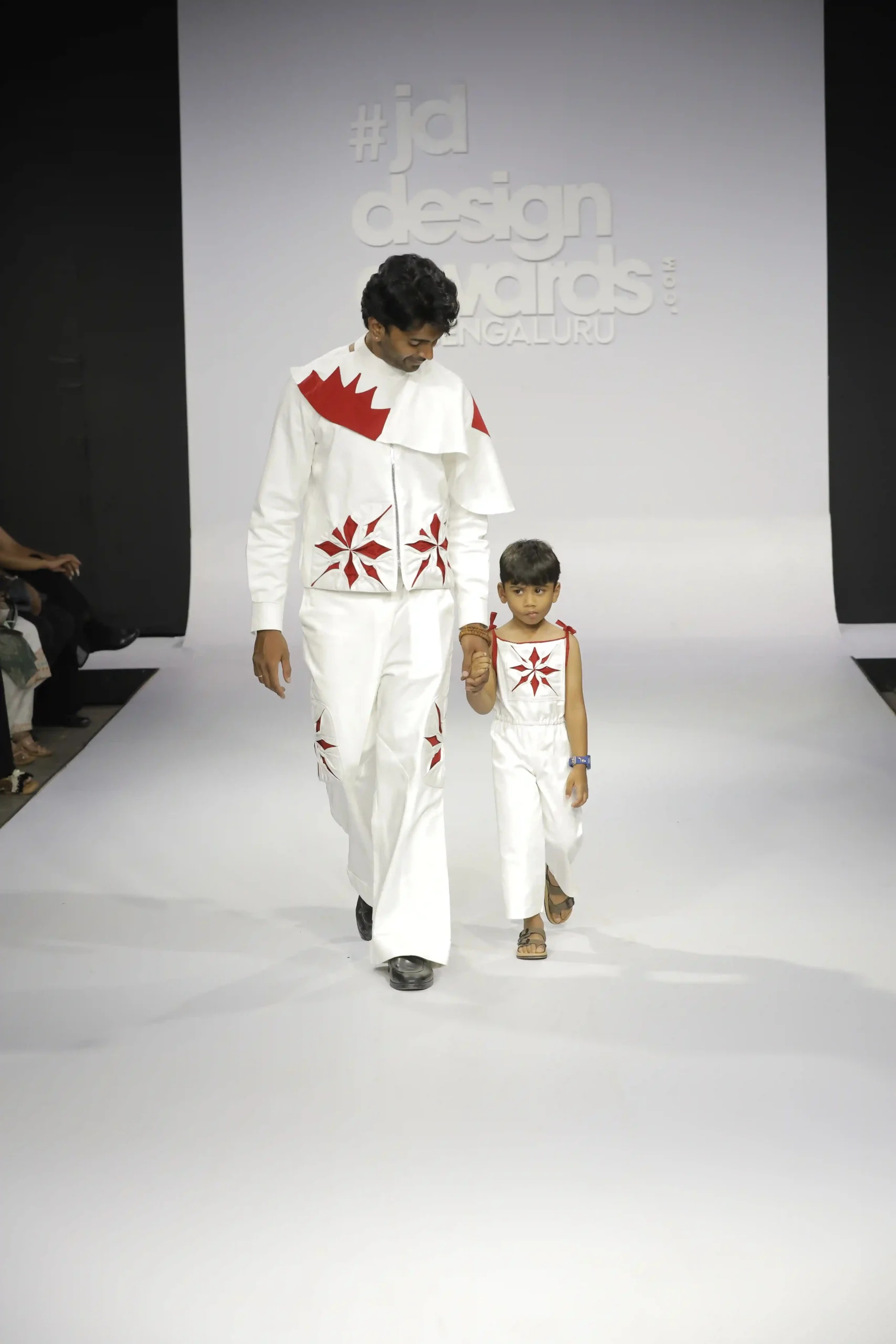
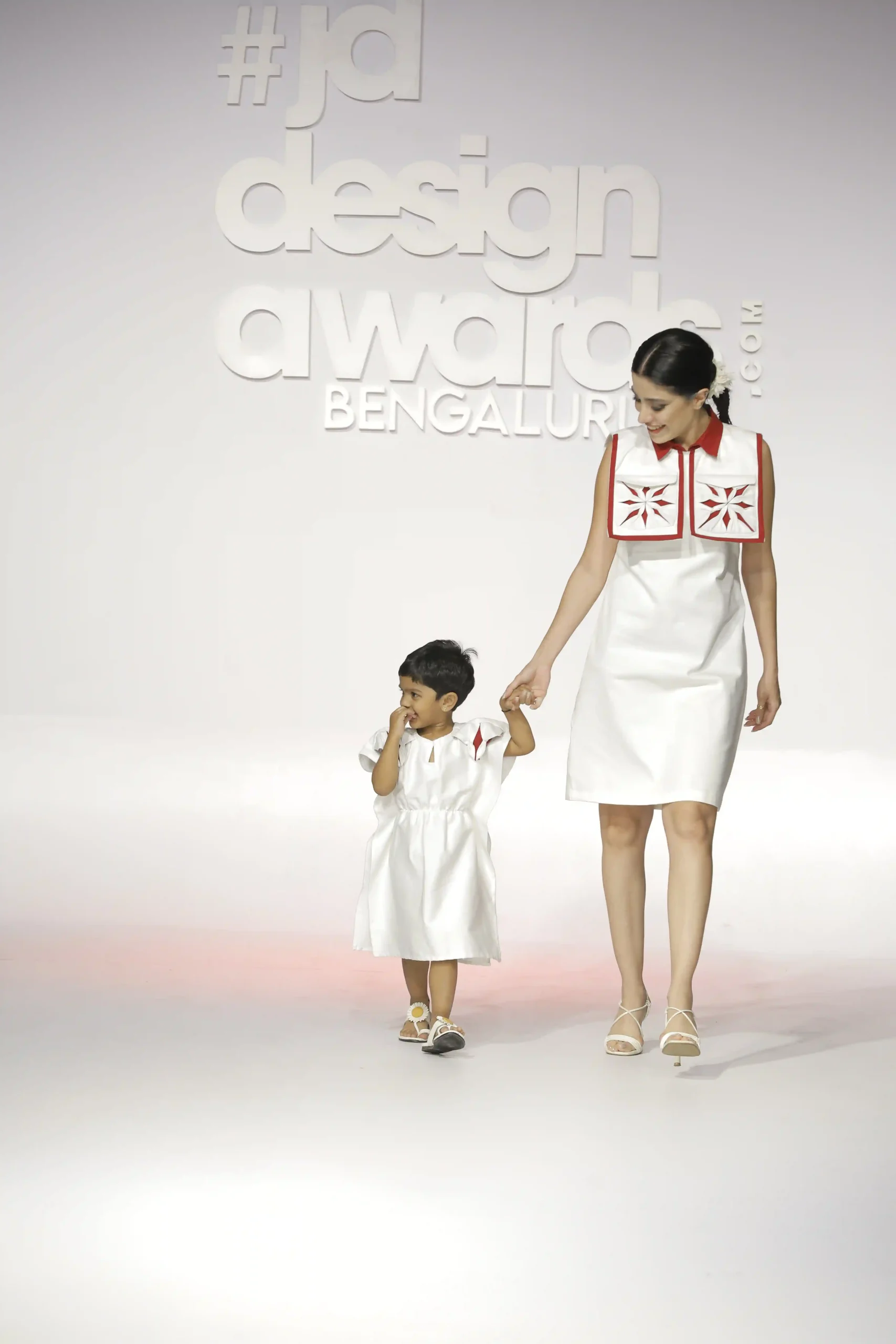


A significant challenge during development was translating an architectural wall-art tradition into wearable garments while preserving its conceptual integrity. Extensive experimentation was required to identify textile techniques that could successfully replicate Kaavi’s subtractive nature without reducing the craft to surface decoration.The collection is crafted using heavy white cotton twill and deep red poplin, reflecting the iconic two-tone palette of traditional Kaavi murals. The contrast between the fabrics becomes central to the design, allowing the reveal-through-removal concept to come alive through construction.Through "Utkirna", the designer demonstrates how traditional craft can evolve beyond its original medium while retaining its essence. By transferring Kaavi’s constructional intelligence from architecture to fashion, the collection presents a thoughtful example of craft innovation, where heritage is preserved through process rather than replication.
