

The project is designed for children, parents, and healthcare professionals, keeping safety, comfort, engagement, and accessibility at the core of the design process. By integrating playful forms and interactive spaces, the design transforms the healthcare experience into one that feels welcoming, familiar, and less intimidating for young patients.The design approach focuses on functionality, emotional comfort, safety, and visual engagement, ensuring that the environment remains both practical and meaningful. Through research into Channapatna toy craftsmanship, the project identifies the importance of rounded forms, smooth finishes, and vibrant colors in creating child-friendly experiences.
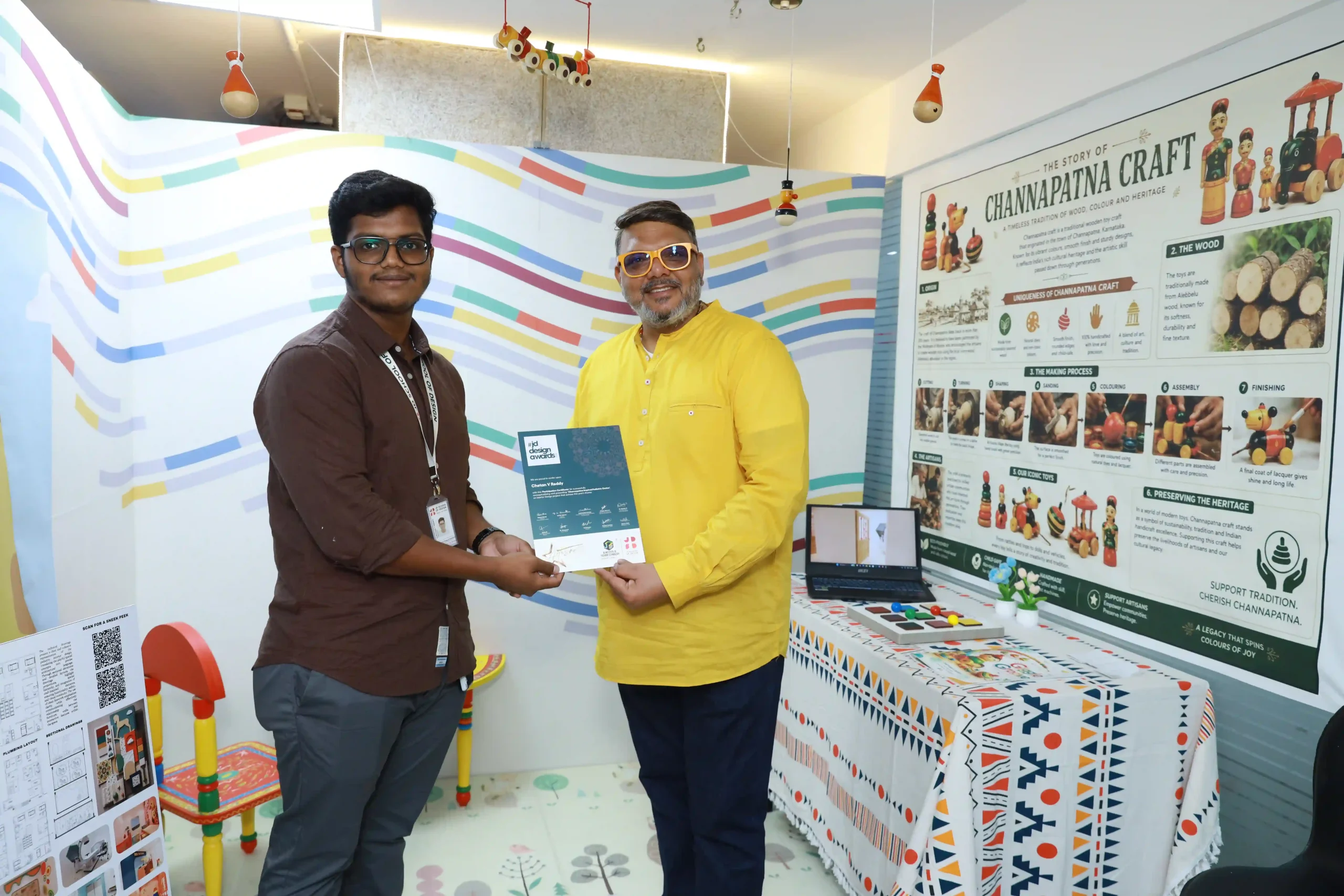
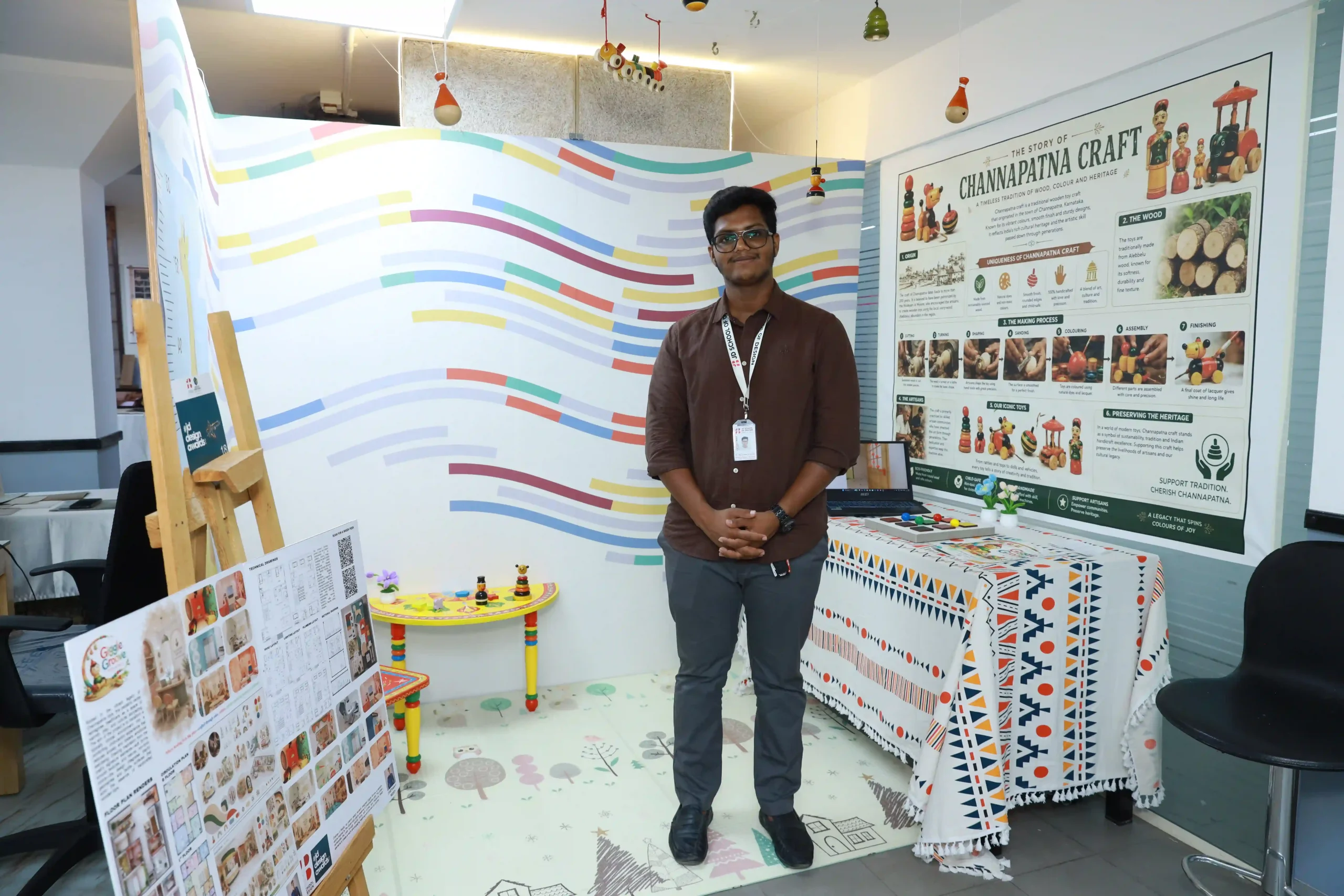


Materials such as natural wood, non-toxic finishes, soft furnishings, and durable healthcare surfaces were chosen to achieve safety, warmth, and ease of maintenance. Techniques inspired by toy-making, including lacquered finishes, curved forms, and interactive installations, were incorporated into furniture, partitions, and spatial elements to reinforce the playful design language.Visually, the project is defined by bright colors, smooth textures, curved forms, and cheerful interiors, reflecting the joyful and safe qualities of Channapatna toys. The final outcome, a pediatric healthcare centre, embodies a balance between healthcare functionality and playful aesthetics, creating an environment that encourages healing, comfort, and positive emotional experiences for children.Through this project, the designer aims to highlight how traditional Indian crafts can influence contemporary healthcare interiors, positioning design as a tool for empathy, emotional well-being, and user-centered care. Ultimately, “Channapatna Inspired Pediatric Centre” stands as a reflection of healing through play, where the essence of Channapatna craftsmanship is transformed into a nurturing and engaging healthcare environment for children.
