

The project is designed for students, craft enthusiasts, designers, woodworkers, and learners interested in traditional making processes, material exploration, and experiential education. The space is developed to support both beginners and skilled practitioners by creating an environment that encourages observation, experimentation, and collaborative learning.The design approach focuses on spatial connectivity, functionality, precision, and immersive learning, ensuring that the environment itself reflects the principles of Japanese joinery. Through research into traditional woodworking systems, spatial organization, and craft-based learning environments, the project identifies the importance of creating spaces that allow seamless interaction between learning, making, and displaying. Workshop areas, demonstration zones, and exhibition spaces are integrated fluidly, allowing users to experience the process of craftsmanship as a continuous and interconnected journey


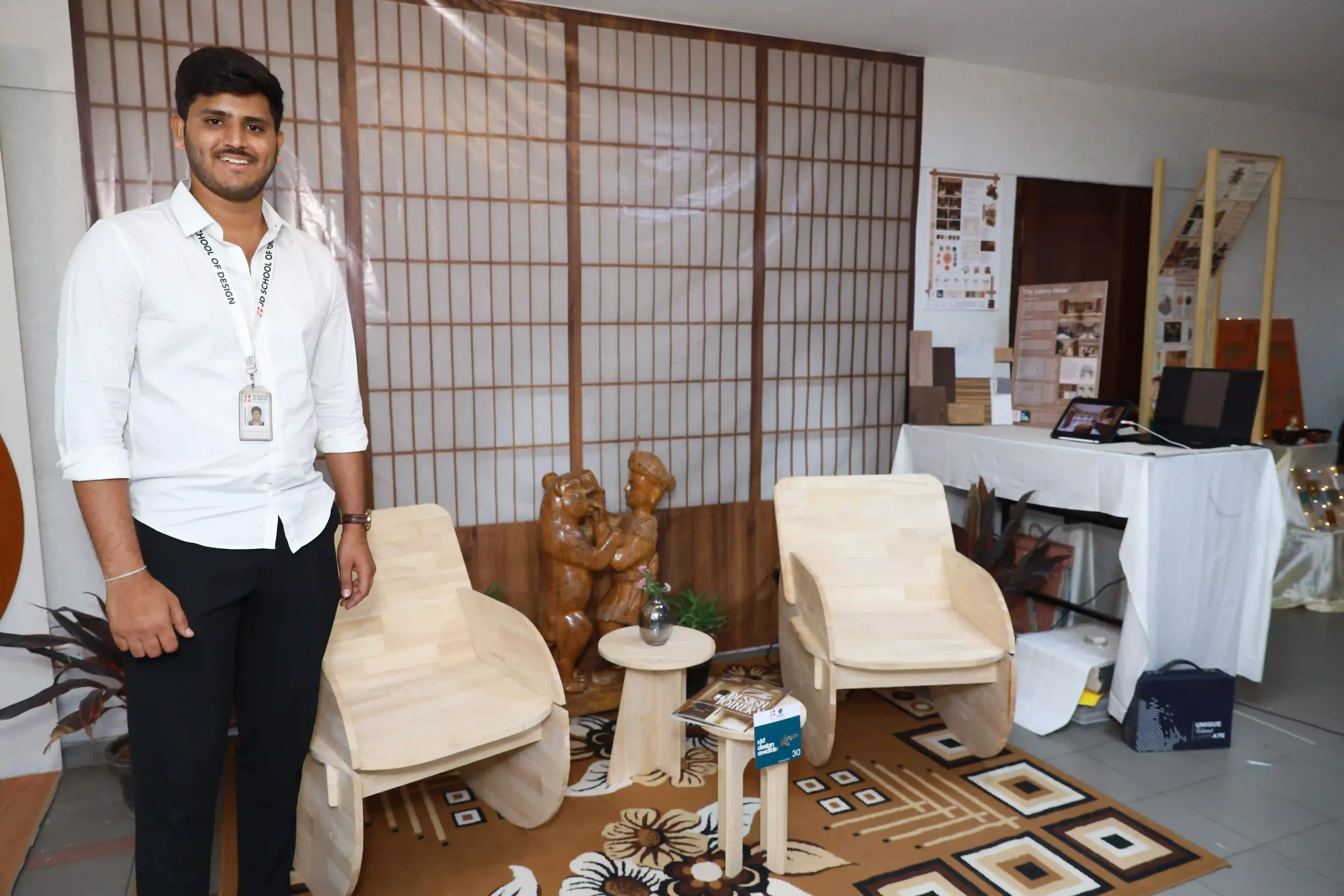
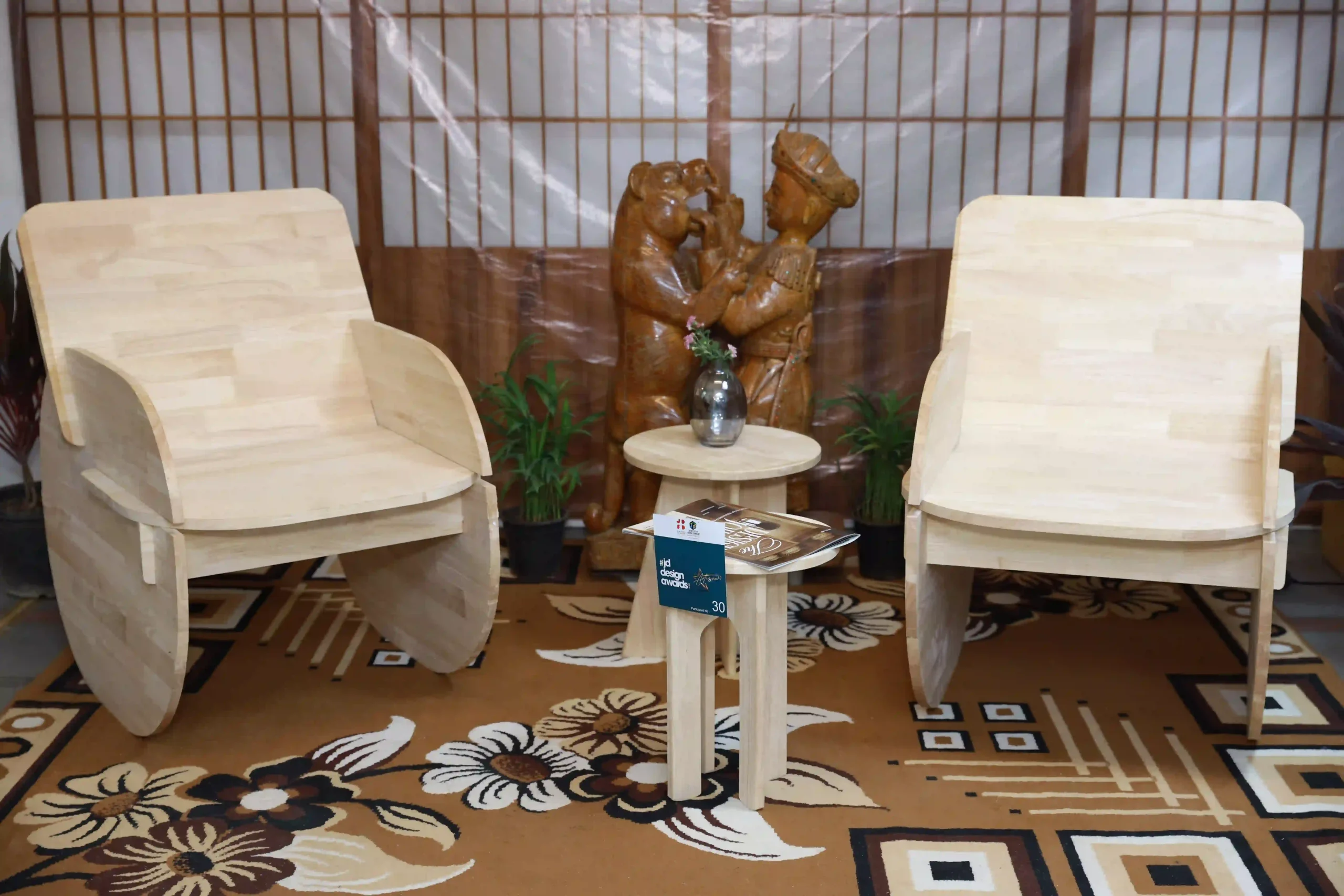
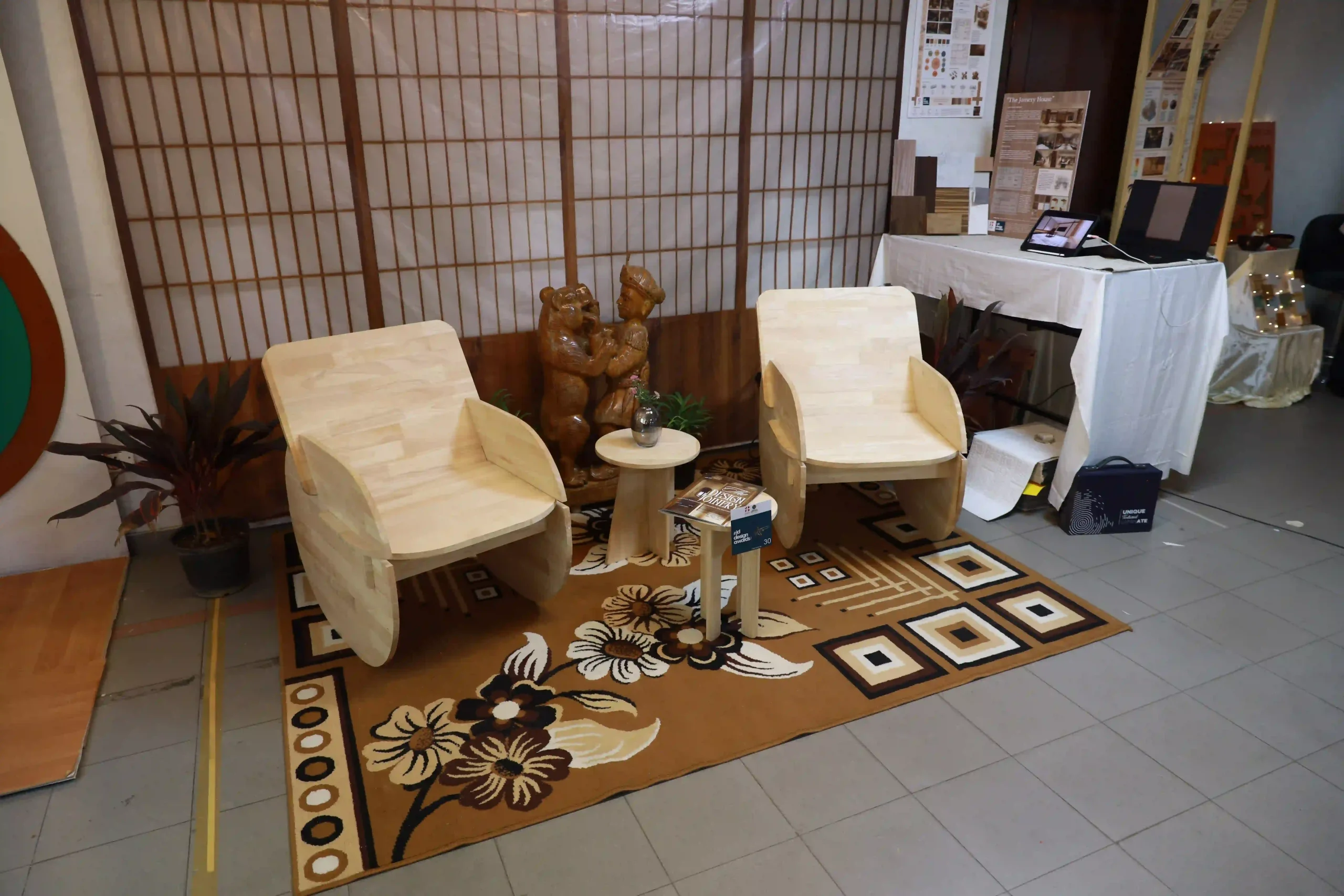
.Materials such as natural wood and handcrafted joinery elements are used extensively to preserve the authenticity and tactile quality of the craft, while techniques inspired by interlocking wooden joints and modular construction systems reinforce the structural and conceptual identity of the space. The spatial layout itself is conceived like a joinery system, where every component connects harmoniously without unnecessary visual interruption.Visually, the project is defined by clean structural lines, warm wooden textures, minimal aesthetics, modular compositions, and interconnected spatial forms that reflect precision, harmony, and craftsmanship. The final outcome, a craft-based workshop and educational learning centre, embodies the balance between heritage techniques and contemporary learning environments while seeking to preserve and reinterpret traditional Japanese joinery for modern audiences.Through this project, the designer aims to highlight the importance of preserving traditional making practices through experiential and interactive education, positioning design and craftsmanship as tools for learning, cultural continuity, and innovation. Ultimately, “Joinery House” stands as a reflection of how traditional craft philosophies can shape contemporary educational spaces, creating environments that celebrate precision, connection, and the timeless value of handmade knowledge.
