

The project is designed for artists, artisans, students, visitors, and creative communities, keeping interaction, collaboration, and experiential learning at the core of the design process. Conceived as a communal art studio and gallery space, the project integrates workshops, exhibition areas, craft learning rooms, and social pause spaces into one continuous and immersive spatial experience.The design approach focuses on cultural storytelling, material authenticity, process-oriented planning, and community interaction, ensuring that the outcome is both meaningful and functionally engaging. Through research into the symbolism and making process of the Ayyanar terracotta horse, the project identifies the importance of creating spaces that embody the philosophy of craft itself.
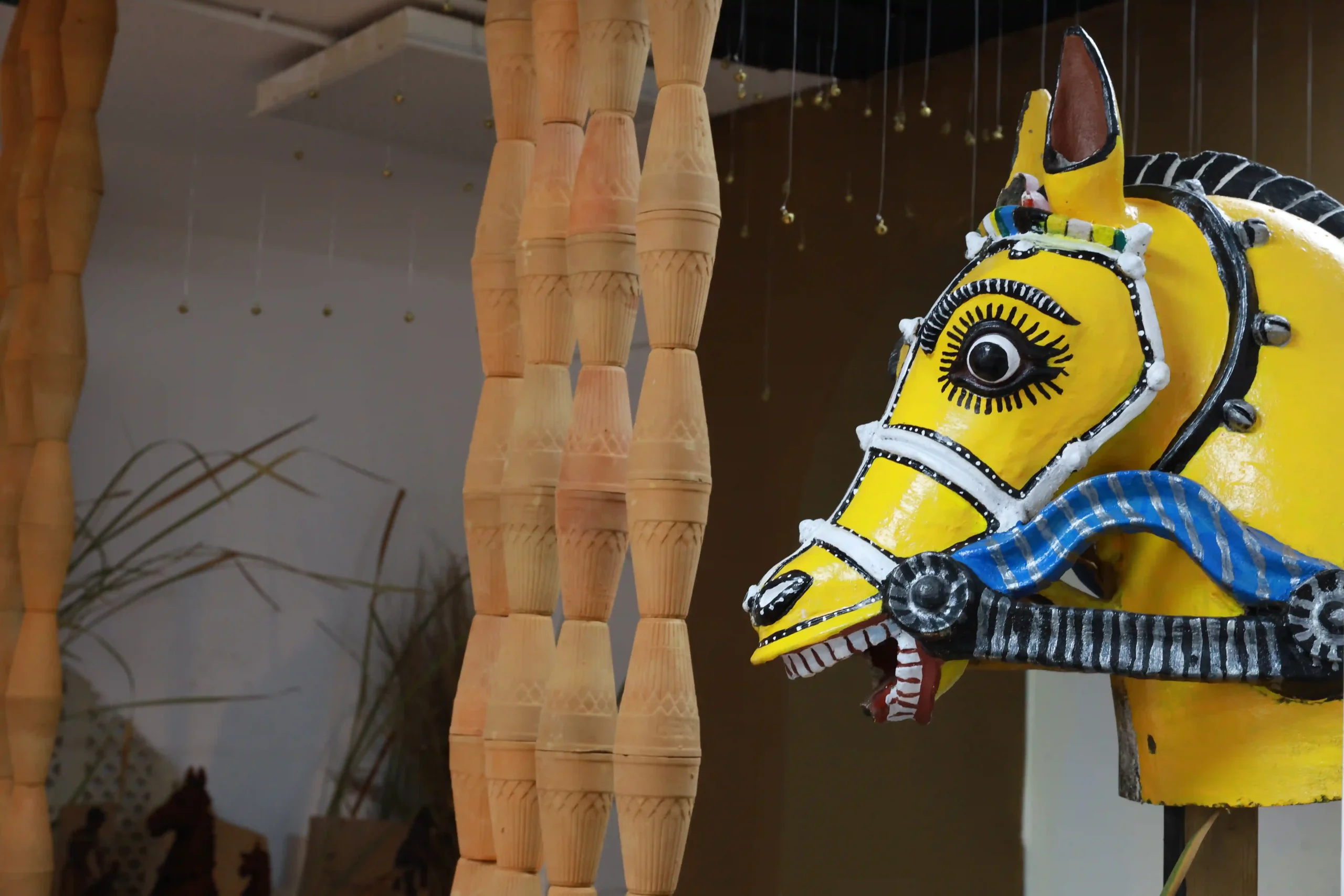
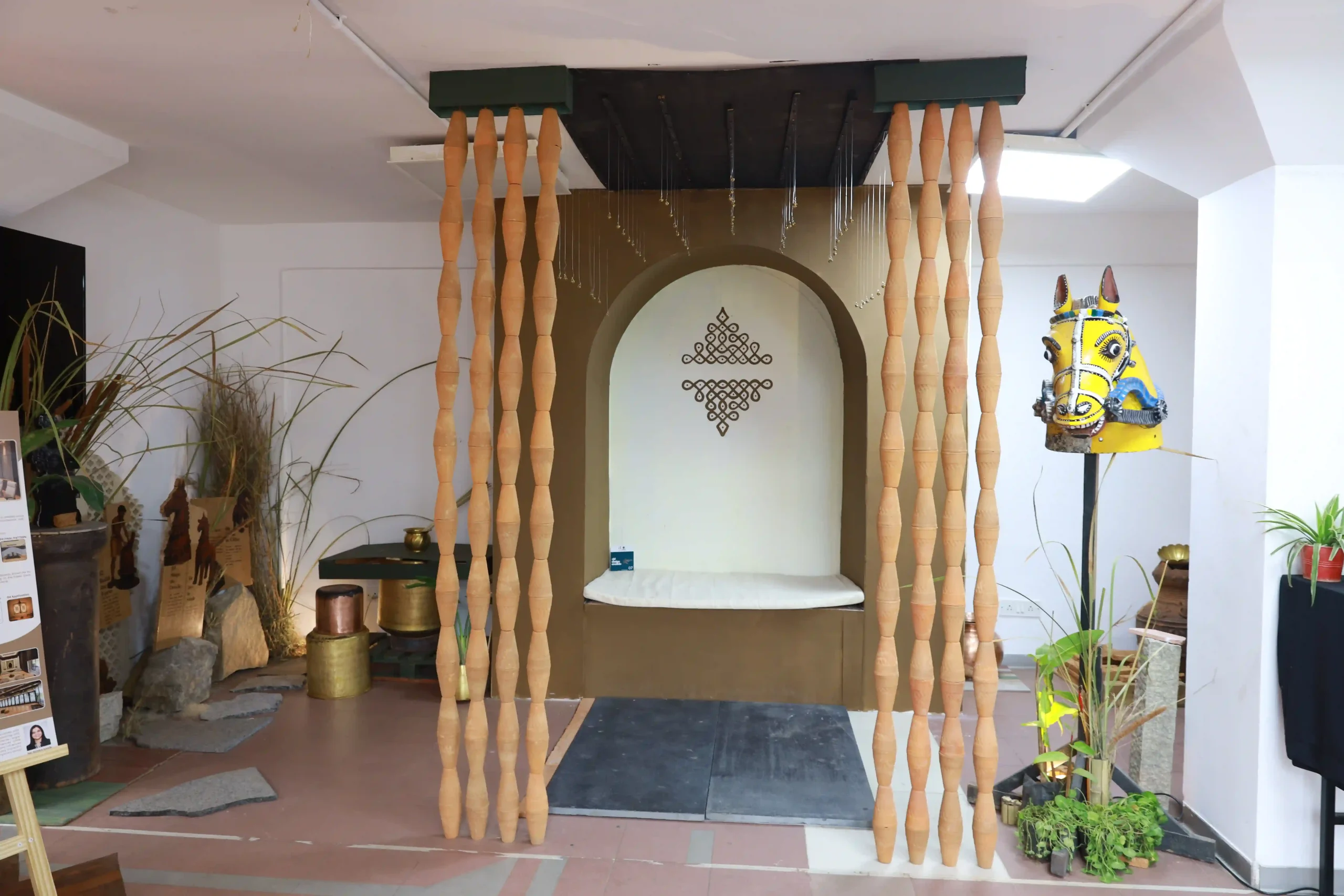
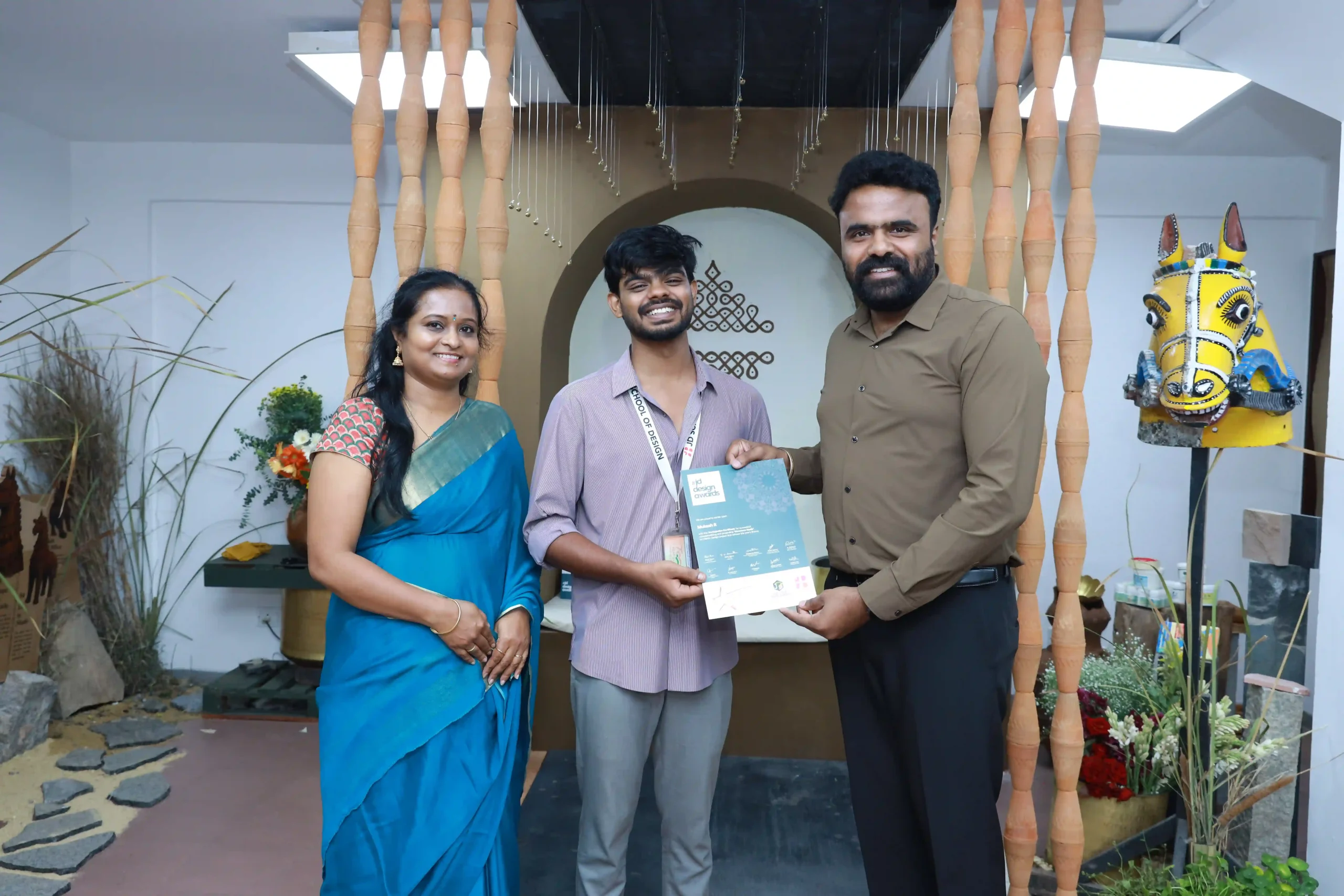
Materials such as raw clay plaster, terracotta finishes, rammed earth textures, and natural surfaces, along with techniques including circular planning, layered spatial sequencing, threshold-based transitions, and tactile material integration, were chosen to achieve warmth, grounding, and sensory authenticity.Visually, the project is defined by earthy textures, circular forms, handcrafted surfaces, and spatial layers that reflect the hollow, coil-built structure and cyclical life of the terracotta horse tradition. The final outcome, a communal art studio and gallery space, embodies creation, connection, and cultural continuity while seeking to dissolve the barriers between maker, material, and audience.Through this project, the designer aims to highlight how traditional crafts can shape the very logic of contemporary spaces, positioning design as a tool for storytelling, community building, and cultural preservation. Ultimately, “MANNTERRA Studio” stands as a reflection of craft returning to its roots, where space itself thinks, breathes, and evolves like the terracotta tradition it celebrates.